There's a better way to lose weight. These dieting tips can help you avoid diet pitfalls and achieve lasting weight-loss success.

What's the best diet for healthy weight loss?
Pick up any diet e book and it will claim to hold all of the solutions to efficaciously dropping all the weight you want—and keeping it off. Some declare the key is to consume less and exercise more, others that low fat is the handiest way to head, at the same time as others prescribe reducing out carbs. So, what should you believe?
The fact is there's no “one length suits all” way to permanent healthy weight loss. What works for one individual may not give you the results you want, when you consider that our bodies reply in another way to exclusive foods, relying on genetics and different health elements. To discover the approach of weight reduction this is right for you will likely take time and require endurance, dedication, and a few experimentation with exclusive meals and diets.
While some human beings reply properly to counting energy or similar restrictive methods, others reply higher to having greater freedom in making plans their weight reduction programs. Being unfastened to absolutely avoid fried ingredients or cut returned on subtle carbs can set them up for success. So, don't get too discouraged if a weight loss program that worked for any person else does not work for you. And do not beat your self up if a weight-reduction plan proves too restrictive which will stick with. Ultimately, a weight-reduction plan is only proper for you if it is one you can stick with over the years.
Remember: even as there’s no clean fix to losing weight, there are plenty of steps you may take to broaden a healthier relationship with meals, shrink emotional triggers to overeating, and gain a healthy weight.
Four popular weight loss strategies
1. Cut calories
Some professionals accept as true with that effectively managing your weight comes right down to a simple equation: If you consume fewer energy than you burn, you lose weight. Sounds clean, proper? Then why is losing weight so tough?
- Weight loss is not a linear event over the years.When you chop energy, you can drop weight for the first few weeks, for instance, and then some thing changes. You eat the equal range of energy but you lose much less weight or no weight in any respect. That's because whilst you lose weight you're losing water and lean tissue as well as fat, your metabolism slows, and your body changes in different methods. So, a good way to keep losing weight each week, you need to continue cutting calories.
- A calorie isn't always a calorie. Eating one hundred energy of excessive fructose corn syrup, for example, could have a distinct effect on your body than consuming 100 energy of broccoli. The trick for sustained weight loss is to ditch the ingredients which are packed with energy but don't make you experience full (like sweet) and update them with ingredients that fill you up with out being loaded with calories (like veggies).
- Many of us don't always eat simply to satisfy hunger. We also turn to food for comfort or to relieve stress—which can quickly derail any weight loss plan.
2. Cut carbs
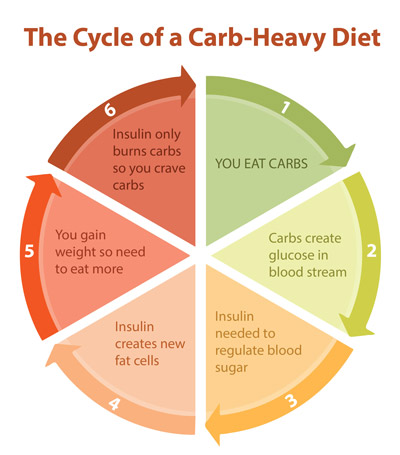
A distinctive way of viewing weight reduction identifies the problem as now not one among eating too many energy, however as an alternative the way the body accumulates fats after ingesting carbohydrates—especially the role of the hormone insulin. When you devour a meal, carbohydrates from the meals input your bloodstream as glucose. In order to keep your blood sugar stages in check, your frame constantly burns off this glucose before it burns off fats from a meal.
- If you consume a carbohydrate-wealthy meal (lots of pasta, rice, bread, or French fries, for instance), your frame releases insulin to help with the influx of all this glucose into your blood. As properly as regulating blood sugar degrees, insulin does things: It prevents your fat cells from liberating fat for the frame to burn as gas (because its priority is to burn off the glucose) and it creates greater fats cells for storing the whole thing that your frame can't burn off. The result is that you gain weight and your frame now requires extra gasoline to burn, so you devour extra. Since insulin most effective burns carbohydrates, you crave carbs and so begins a vicious cycle of consuming carbs and gaining weight. To shed pounds, the reasoning goes, you want to interrupt this cycle by way of reducing carbs.
Most low-carb diets endorse replacing carbs with protein and fat, that can have a few negative long-term outcomes for your health. If you do attempt a low-carb food plan, you could reduce your risks and restriction your intake of saturated and trans fat by deciding on lean meats, fish and vegetarian sources of protein, low-fat dairy merchandise, and eating plenty of leafy green and non-starchy vegetables.
3. Cut fat
It's a mainstay of many diets: if you do not need to get fats, don't consume fat. Walk down any grocery save aisle and you'll be bombarded with reduced-fat snacks, dairy, and packaged food. But whilst our low-fat alternatives have exploded, so have obesity costs. So, why have not low-fat diets worked for more people?
- Not all fat is bad. Healthy or “correct” fats can truly assist to control your weight, in addition to control your moods and combat fatigue. Unsaturated fat determined in avocados, nuts, seeds, soy milk, tofu, and fatty fish can help fill you up, at the same time as including a touch tasty olive oil to a plate of vegetables, for instance, can make it less complicated to consume healthy food and improve the general first-rate of your weight loss plan.
- We often make the wrong trade-offs. Many of us make the mistake of swapping fat for the empty calories of sugar and refined carbohydrates. Instead of eating whole-fat yoghurt, for example, we eat low- or no-fat versions that are packed with sugar to make up for the loss of taste. Or we swap our fatty breakfast bacon for a muffin or donut that causes rapid spikes in blood sugar.
4. Follow the Mediterranean diet
The Mediterranean diet emphasizes eating good fats and good carbs along with large quantities of fresh fruits and vegetables, nuts, fish, and olive oil—and only modest amounts of meat and cheese. The Mediterranean diet is more than just about food, though. Regular physical activity and sharing meals with others are also major components.
Whatever weight loss strategy you try, it's important to stay motivated and avoid common dieting pitfalls, such as emotional eating.
Control emotional eating
We don't always eat simply to satisfy hunger. All too often, we turn to food when we're stressed or anxious, which can wreck any diet and pack on the pounds. Do you eat when you're worried, bored, or lonely? Do you snack in front of the TV at the end of a stressful day? Recognizing your emotional eating triggers can make all the difference in your weight-loss efforts. If you eat when you're:
Stressed – find healthier ways to calm yourself. Try yoga, meditation, or soaking in a hot bath.
Low on energy – find other mid-afternoon pick-me-ups. Try walking around the block, listening to energizing music, or taking a short nap.
Lonely or bored – reach out to others instead of reaching for the refrigerator. Call a friend who makes you laugh, take your dog for a walk, or go to the library, mall, or park—anywhere there's people.

No comments:
Post a Comment