How to Lose Weight and Keep It Off

 There's a better way to lose weight. These dieting tips can help you avoid diet pitfalls and achieve lasting weight-loss success.


What's the best diet for healthy weight loss?

Pick up any diet e book and it will claim to hold all of the solutions to efficaciously dropping all the weight you want—and keeping it off. Some declare the key is to consume less and exercise more, others that low fat is the handiest way to head, at the same time as others prescribe reducing out carbs. So, what should you believe?


The fact is there's no “one length suits all” way to permanent healthy weight loss. What works for one individual may not give you the results you want, when you consider that our bodies reply in another way to exclusive foods, relying on genetics and different health elements. To discover the approach of weight reduction this is right for you will likely take time and require endurance, dedication, and a few experimentation with exclusive meals and diets.


While some human beings reply properly to counting energy or similar restrictive methods, others reply higher to having greater freedom in making plans their weight reduction programs. Being unfastened to absolutely avoid fried ingredients or cut returned on subtle carbs can set them up for success. So, don't get too discouraged if a weight loss program that worked for any person else does not work for you. And do not beat your self up if a weight-reduction plan proves too restrictive which will stick with. Ultimately, a weight-reduction plan is only proper for you if it is one you can stick with over the years.


Remember: even as there’s no clean fix to losing weight, there are plenty of steps you may take to broaden a healthier relationship with meals, shrink emotional triggers to overeating, and gain a healthy weight.

Four popular weight loss strategies

1. Cut calories

Some professionals accept as true with that effectively managing your weight comes right down to a simple equation: If you consume fewer energy than you burn, you lose weight. Sounds clean, proper? Then why is losing weight so tough?

  • Weight loss is not a linear event over the years.When you chop energy, you can drop weight for the first few weeks, for instance, and then some thing changes. You eat the equal range of energy but you lose much less weight or no weight in any respect. That's because whilst you lose weight you're losing water and lean tissue as well as fat, your metabolism slows, and your body changes in different methods. So, a good way to keep losing weight each week, you need to continue cutting calories.
  • A calorie isn't always a calorie. Eating one hundred energy of excessive fructose corn syrup, for example, could have a distinct effect on your body than consuming 100 energy of broccoli. The trick for sustained weight loss is to ditch the ingredients which are packed with energy but don't make you experience full (like sweet) and update them with ingredients that fill you up with out being loaded with calories (like veggies).
  • Many of us don't always eat simply to satisfy hunger. We also turn to food for comfort or to relieve stress—which can quickly derail any weight loss plan.

2. Cut carbs

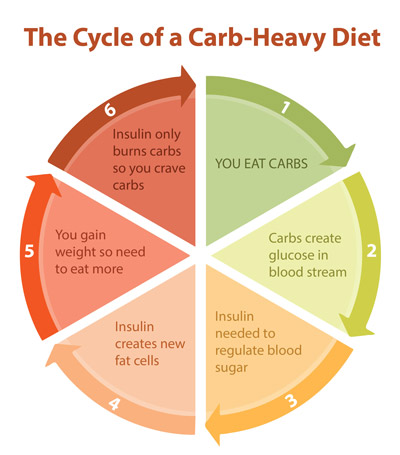
A distinctive way of viewing weight reduction identifies the problem as now not one among eating too many energy, however as an alternative the way the body accumulates fats after ingesting carbohydrates—especially the role of the hormone insulin. When you devour a meal, carbohydrates from the meals input your bloodstream as glucose. In order to keep your blood sugar stages in check, your frame constantly burns off this glucose before it burns off fats from a meal.

  1. If you consume a carbohydrate-wealthy meal (lots of pasta, rice, bread, or French fries, for instance), your frame releases insulin to help with the influx of all this glucose into your blood. As properly as regulating blood sugar degrees, insulin does  things: It prevents your fat cells from liberating fat for the frame to burn as gas (because its priority is to burn off the glucose) and it creates greater fats cells for storing the whole thing that your frame can't burn off. The result is that you gain weight and your frame now requires extra gasoline to burn, so you devour extra. Since insulin most effective burns carbohydrates, you crave carbs and so begins a vicious cycle of consuming carbs and gaining weight. To shed pounds, the reasoning goes, you want to interrupt this cycle by way of reducing carbs.Carb cycle


Most low-carb diets endorse replacing carbs with protein and fat, that can have a few negative long-term outcomes for your health. If you do attempt a low-carb food plan, you could reduce your risks and restriction your intake of saturated and trans fat by deciding on lean meats, fish and vegetarian sources of protein, low-fat dairy merchandise, and eating plenty of leafy green and non-starchy vegetables.

3. Cut fat

It's a mainstay of many diets: if you do not need to get fats, don't consume fat. Walk down any grocery save aisle and you'll be bombarded with reduced-fat snacks, dairy, and packaged food. But whilst our low-fat alternatives have exploded, so have obesity costs. So, why have not low-fat diets worked for more people?

  1. Not all fat is bad. Healthy or “correct” fats can truly assist to control your weight, in addition to control your moods and combat fatigue. Unsaturated fat determined in avocados, nuts, seeds, soy milk, tofu, and fatty fish can help fill you up, at the same time as including a touch tasty olive oil to a plate of vegetables, for instance, can make it less complicated to consume healthy food and improve the general first-rate of your weight loss plan.

  1. We often make the wrong trade-offs. Many of us make the mistake of swapping fat for the empty calories of sugar and refined carbohydrates. Instead of eating whole-fat yoghurt, for example, we eat low- or no-fat versions that are packed with sugar to make up for the loss of taste. Or we swap our fatty breakfast bacon for a muffin or donut that causes rapid spikes in blood sugar.

4. Follow the Mediterranean diet

The Mediterranean diet emphasizes eating good fats and good carbs along with large quantities of fresh fruits and vegetables, nuts, fish, and olive oil—and only modest amounts of meat and cheese. The Mediterranean diet is more than just about food, though. Regular physical activity and sharing meals with others are also major components.

Whatever weight loss strategy you try, it's important to stay motivated and avoid common dieting pitfalls, such as emotional eating.

Control emotional eating

We don't always eat simply to satisfy hunger. All too often, we turn to food when we're stressed or anxious, which can wreck any diet and pack on the pounds. Do you eat when you're worried, bored, or lonely? Do you snack in front of the TV at the end of a stressful day? Recognizing your emotional eating triggers can make all the difference in your weight-loss efforts. If you eat when you're:

Stressed – find healthier ways to calm yourself. Try yoga, meditation, or soaking in a hot bath.

Low on energy – find other mid-afternoon pick-me-ups. Try walking around the block, listening to energizing music, or taking a short nap.

Lonely or bored – reach out to others instead of reaching for the refrigerator. Call a friend who makes you laugh, take your dog for a walk, or go to the library, mall, or park—anywhere there's people.

9 Foods to Help You Lose Weight


Delicious foods that help you diet? It sounds too good to be true.

No doubt: Weight loss comes down to simple math. You have to eat fewer calories than you burn.

"Certain foods can help you shed body weight," says Heather Mangieri, RD, a spokeswoman for the Academy of Nutrition and Dietetics, "because they help you feel full longer and help curb cravings."

Some even kick up your metabolism. So take this list when you go to the supermarket:

Dark chocolate, sausage, nuts, and eggs? They're all on the list. It's about feeling full and satisfied.

1. Beans

Inexpensive, filling, and versatile, beans are a great source of protein. Beans are also high in fiber and slow to digest. That means you feel full longer, which may stop you from eating more.

2. Soup

Start a meal with a cup of soup, and you may end up eating less. It doesn’t matter if the soup is chunky or pureed, as long as it's broth-based. You want to keep the soup to 100 to 150 calories a serving. So skip the dollops of cream and butter.

3. Dark Chocolate

Want to enjoy chocolate between meals? Pick a square or two of dark over the milky version. In one study, chocolate lovers who were given dark chocolate ate 15% less pizza a few hours later than those who had eaten milk chocolate.

4. Pureed Vegetables

You can add more veggies to your diet, enjoy your "cheat" foods, and cut back on the calories you’re eating, all at the same time. When Penn State researchers added pureed cauliflower and zucchini to mac and cheese, people seemed to like the dish just as much. But they ate 200 to 350 fewer calories. Those healthy vegetables added low-cal bulk to the tasty dish.

5. Yogurt with berries

A protein-rich breakfast may help you resist snack attacks throughout the day.

In a study of a group of obese young women, those who started the day with 35 grams of protein -- that’s probably way more than you’re eating -- felt fuller right away. The women ate a 350-calorie breakfast that included eggs and a beef sausage patty. The effect of the high-protein breakfast seemed to last into the evening, when the women munched less on fatty, sugary goods than the women who had cereal for breakfast.

Eggs and sausagearen’t your only options – and given their saturated fat, you might need to switch things up.. Greek yogurt with berries and nuts is one option. Just pick yogurt that isn’t loaded with added sugar. 

6. Nuts

For a great snack on the run, take a small handful of almonds, peanuts, walnuts, or pecans. Research shows that when people munch on nuts, they automatically eat less at later meals.

7. Apples

Skip the apple juice and the applesauce and opt instead for a crunchy apple. Whole fruit blunts appetite in a way that fruit juices and sauces don’t.

One reason is that raw fruit has more fiber. Plus, chewing sends signals to your brain that you’ve eaten something substantial.

8. Yogurt

Whether you prefer Greek or traditional, yogurt can be good for your waistline.

A Harvard study followed more than 120,000 people for a decade or longer. Yogurt, of all the foods that were tracked, was most closely linked to weight loss.

That doesn't prove that yogurt caused weight loss, but it stood out among other foods.

9. Grapefruit

Yes, grapefruit really can help you shed pounds, especially if you are at risk for diabetes.

Researchers at Scripps Clinic in San Diego found that when obese people ate half a grapefruit before each meal, they dropped an average of 3 ½ pounds over 12 weeks. Drinking grapefruit juice had the same results.

But grapefruit juice doesn't have any proven "fat-burning" properties -- it may just have helped people feel full.

Be careful: You cannot have grapefruit or grapefruit juice if you are on certain medications, so check the label on all your prescriptions, or ask your pharmacist or doctor.

Shop Smart

Load your shopping cart with lots of lean protein, fresh veggies, fruit, and whole grains, says food scientist Joy Dubost, PhD, RD. The most important thing, when it comes to lasting weight loss, is the big picture of what you eat, not specific foods.

How to Lose Weight Fast But Safely, According to Experts

Restriction and rapid weight loss is not something our nutrition experts recommend, however there are ways to quick-start weight loss and improve your overall health.


Quick weight loss can sound pretty enticing. That's especially true when fad diets and social media make it seem more realistic than it really is to drop 10 pounds in 10 days. The truth is, for many people, it's not easy to lose weight for a myriad of reasons, including life-stage, body composition, physical activity, genetics and hormones, among other factors.

In fact, extreme calorie restriction and excessive exercising is not only something our nutrition experts would never recommend for health reasons, but they also note that you'll likely gain all of your weight back faster than you lost it if you try those approaches. Losing weight by improving your overall diet and lifestyle is without a doubt the healthiest way to go.

If you're looking for sustainable weight loss, there are a few healthy tips that hold true for almost all of us across the board — and they’re concepts that we can put into practice beginning right now.


10 Expert-Backed Tips for Safe Weight Loss

1. Up your veggie intake.

        Instead of restricting different foods and food groups, focus on incorporating an abundance of nourishing foods that you can add into your diet to promote overall health and weight management. The water and fiber in produce adds volume to dishes and are naturally low in fat and calories but nutrient-dense and filling. You can create lower-calorie versions of delicious dishes by swapping out higher calorie ingredients for fruits and veggies. Think cauliflower rice in place of starchy white rice or doing 50/50. If you think about making any meal mostly veggies (at least 50% of anything that you’re having), you’re on the right track to better health.

        2. Build a better breakfast.

        A balanced breakfast — one that is stacked with fiber, protein, healthy fats, coming together in a delicious dish — will revolutionize your day, especially if you are currently skipping it and still find yourself struggling to prioritize a healthy lifestyle. Skipping breakfast may influence your hunger hormones later in the day, leading to you feeling "hangry" in the afternoon which makes it harder to refrain from oversized portions or cravings for sugary and refined carbohydrate foods. The best, heartiest breakfasts are ones that will fill you up, keep you satisfied, and stave off cravings later in the day. Aim to eat anywhere between 350 and 500 calories for your morning meal, and make sure you're including a source of lean protein plus filling fat (think eggs, unsweetened Greek yogurt, nuts, or nut butters) and fiber (veggies, fruit, or 100% whole grains). Starting your day with a blood sugar-stabilizing blend of nutrients will help you slim down.

        3. Skip sugary beverages.

          We just don't feel full by liquid calories in quite the same way as we do real food. Drinking a juice or caramel coffee drink just isn't as satisfying as eating a bowl of veggie- and protein-packed stir-fry. Skipping sugary beverages is often the easiest way to lose weight faster, and bonus, it's good for things like heart health and diabetes prevention too. Monitor your intake of juice, soda, sweetened coffee and tea and alcoholic beverages. If you consume each of those beverages during the day, you'll have taken in at least 800 extra calories by nighttime — and you'll still be hungry. (Incidentally, alcohol may suppress the metabolism of fat, making it tougher for you to burn those calories.)

          4. Get moving.

          Movement of any type can be a very useful weight management tool. Walking is a great, inexpensive option that doesn't require any extra gym equipment except for a good pair of kicks. A recent study showed that people who walked 8,200 steps per day were less likely to become obese, suffer from major depressive disorder and others chronic health related conditions. Therefore, consider walking for weight loss and better overall health.
          Additionally, strength training builds lean muscle tissue, which burns more calories — at work or at rest — 24 hours a day, seven days a week. The more lean muscle you have, the faster you'll slim down.

          How do you start strength training? Try some push-ups or a few squats or lunges. Use your free weights to perform simple bicep curls or tricep extensions right in your home or office. Mix in some new ab, arm, back and leg moves if you like. Strength training just three to four times per week can lead to rapid improvement in not only weight loss, but also range of motion, stability, and posture.

          5. Eat mindfully.

          Slowing down to focus on things like the taste, textures, temperature and smells of what you're eating can help with portion control. But mindful eating also means really focusing on what you're eating and when—this can help you identify unnecessary munching moments you may not realize you're engaging in throughout the day that may be tacking on extra calories. More importantly, try to avoid eating foods that you don't choose for yourself. Mindful eating can help shift the focus of control from external authorities and cues to your body's own inner wisdom. Noticing where your extra calories actually come from is another step to making better choices in the short and long term.

          sprinkling ground red chili pepper paprika over sliced vegetables
          microgen//Getty Images

          6. Spice up your life.

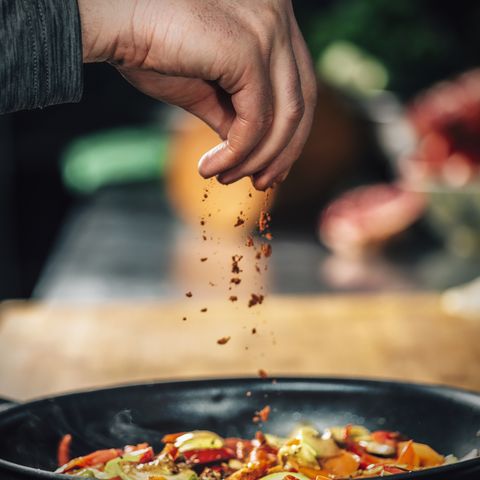
          Spicy foods can actually help you cut back on calories. That's because capsaicin, a compound found in jalapeño and cayenne peppers, may (slightly) increase your body's release of stress hormones such as adrenaline, which can speed up your ability to burn calories. What's more, eating hot peppers may help you eat more slowly and avoid overeating. You're more likely to stay more mindful of when you're full. Some great choices besides hot peppers are ginger and turmeric.

          7. Go to bed earlier.

          There's a ton of research that demonstrates getting less than the desired amount — about seven hours — of sleep per night can slow down your metabolism. Chronic sleep deprivation may even alter hormones that control hunger, and some studies show that there is a connection between poor quality food choices and less sleep. Good sleep has a ton of other benefits too, like boosting alertness, improving mood and overall quality of life. So don't skimp on your ZZZ's, and you'll be rewarded with an extra edge when it comes to overall health and losing weight. Start small with just pushing up bedtime by 15 to 30 minutes, every minute counts!

          8. Keep a food journal.

          People who log everything they eat — especially those who log while they're eating — are more likely to lose weight and keep it off for the long haul, studies consistently indicate. The habit also takes less than 15 minutes per day on average when you do it regularly, according to a study published in the journal Obesity.

          Start tracking on an app like MyFitnessPal or use a regular notebook. It'll help you stay accountable for what you've eaten. Plus, you can easily identify areas that could use a little improvement when it's written out in front of you.

          9. Resist the urge to skip a meal.

          Our nutrition experts stress that skipping meals will not make you lose weight faster. If a hectic day makes a sit-down meal impossible, stash a piece of fruit and pack of nut butter in your car or purse and keep snacks in your desk drawer — anything that will keep you from going hungry!

          Going long periods of time without food does double-duty harm on our healthy eating efforts by both slowing down your metabolism, and priming you for a binge later in the day. Make it your mission to eat three meals and two snacks every day, and don't wait longer than three to four hours without eating. Set a "snack alarm" on your phone if needed.

          10. Munch on mineral-rich foods.

          Potassium, magnesium and calcium can help to serve as a counter-balance for bloat-inducing sodium. Foods that are rich in potassium include leafy greens, most "orange" foods (oranges, sweet potatoes, carrots, melon), bananas, tomatoes, and cruciferous veggies — especially cauliflower. Low-fat dairy, plus nuts, and seeds can also help give you a bloat-busting boost. They've also been linked to a whole host of additional health benefits, such as lowering blood pressure, controlling blood sugar, and reducing risk of chronic disease overall. 

          29 Easy Ways to Lose Weight Naturally (Backed by Science)


          We include products we think are useful for our readers. If you buy through links on this page, we may earn a small commission. Here’s our process.

          There is a lot of bad weight loss information on the internet.

          Much of what is recommended is questionable at best, and not based on any actual science.

          However, there are several natural methods that have actually been proven to work.

          Here are 29 easy ways to lose weight naturally.

          1. Add Protein to Your Diet

          When it comes to weight loss, protein is the king of nutrients.

          Your body burns calories when digesting and metabolizing the protein you eat, so a high-protein diet can boost metabolism by up to 80–100 calories per day.

          A high-protein diet can also make you feel more full and reduce your appetite. In fact, some studies show that people eat over 400 fewer calories per day on a high-protein diet.

          Even something as simple as eating a high-protein breakfast (like eggs) can have a powerful effect.


          2. Eat Whole, Single-Ingredient Foods

          One of the best things you can do to become healthier is to base your diet on whole, single-ingredient foods.

          By doing this, you eliminate the vast majority of added sugar, added fat and processed food.

          Most whole foods are naturally very filling, making it a lot easier to keep within healthy calorie limits (7Trusted Source).

          Furthermore, eating whole foods also provides your body with the many essential nutrients that it needs to function properly.

          Weight loss often follows as a natural side effect of eating whole foods.

          3. Avoid Processed Foods

          Processed foods are usually high in added sugars, added fats and calories.

          What’s more, processed foods are engineered to make you eat as much as possible. They are much more likely to cause addictive-like eating than unprocessed foods.

          4. Stock Up on Healthy Foods and Snacks

          Studies have shown that the food you keep at home greatly affects weight and eating behavior.

          By always having healthy food available, you reduce the chances of you or other family members eating unhealthy.

          There are also many healthy and natural snacks that are easy to prepare and take with you on the go.

          These include yogurt, whole fruit, nuts, carrots,and hard-boiled eggs.

          How to Lose Weight Fast in 3 Simple Steps

          5. Limit Your Intake of Added Sugar

          Eating a lot of added sugar is linked with some of the world’s leading diseases, including heart disease, type 2 diabetes and cancer .

          On average, Americans eat about 15 teaspoons of added sugar each day. This amount is usually hidden in various processed foods, so you may be consuming a lot of sugar without even realizing it.

          Since sugar goes by many names in ingredient lists, it can be very difficult to figure out how much sugar a product actually contains.

          Minimizing your intake of added sugar is a great way to improve your diet.

          HEALTHLINE RESOURCES
          Get free, 5-minute custom snack recipes

          Let Healthline's team of nutritionists recommend snacks based on your dietary restrictions and food preferences

          6. Drink Water

          There is actually truth to the claim that drinking water can help with weight loss.

          Drinking 0.5 liters (17 oz) of water may increase the calories you burn by 24–30% for an hour afterward.

          Drinking water before meals may also lead to reduced calorie intake, especially for middle-aged and older people.

          Water is particularly good for weight loss when it replaces other beverages that are high in calories and sugar.

          7. Drink (Unsweetened) Coffee

          Fortunately, people are realizing that coffee is a healthy beverage that is loaded with antioxidants and other beneficial compounds.

          Coffee drinking may support weight loss by increasing energy levels and the amount of calories you burn.

          Caffeinated coffee may boost your metabolism by 3–11% and reduce your risk of developing type 2 diabetes by a whopping 23–50%.

          Furthermore, black coffee is very weight loss friendly, since it can make you feel full but contains almost no calories.

          8. Supplement With Glucomannan

          Glucomannan is one of several weight loss pills that has been proven to work.

          This water-soluble, natural dietary fiber comes from the roots of the konjac plant, also known as the elephant yam.

          Glucomannan is low in calories, takes up space in the stomach and delays stomach emptying. It also reduces the absorption of protein and fat, and feeds the beneficial gut bacteria.

          Its exceptional ability to absorb water is believed to be what makes it so effective for weight loss. One capsule is able to turn an entire glass of water into gel.

          9. Avoid Liquid Calories

          Liquid calories come from beverages like sugary soft drinks, fruit juices, chocolate milk and energy drinks.

          These drinks are bad for health in several ways, including an increased risk of obesity. One study showed a drastic 60% increase in the risk of obesity among children, for each daily serving of a sugar-sweetened beverage.

          It’s also important to note that your brain does not register liquid calories the same way it does solid calories, so you end up adding these calories on top of everything else that you eat.

          10. Limit Your Intake of Refined Carbs

          Refined carbs are carbs that have had most of their beneficial nutrients and fiber removed.

          The refining process leaves nothing but easily digested carbs, which can increase the risk of overeating and disease.

          The main dietary sources of refined carbs are white flour, white bread, white rice, sodas, pastries, snacks, sweets, pasta, breakfast cereals, and added sugar.

          11. Fast Intermittently

          Intermittent fasting is an eating pattern that cycles between periods of fasting and eating.

          There are a few different ways to do intermittent fasting, including the 5:2 diet, the 16:8 method and the eat-stop-eat method.

          Generally, these methods make you eat fewer calories overall, without having to consciously restrict calories during the eating periods. This should lead to weight loss, as well as numerous other health benefits.

          12. Drink (Unsweetened) Green Tea

          Green tea is a natural beverage that is loaded with antioxidants.

          Drinking green tea is linked with many benefits, such as increased fat burning and weight loss.

          Green tea may increase energy expenditure by 4% and increase selective fat burning by up to 17%, especially harmful belly fat.

          Matcha green tea is a variety of powdered green tea that may have even more powerful health benefits than regular green tea.

          Shop for green tea and matcha green tea online.

          13. Eat More Fruits and Vegetables

          Fruits and vegetables are extremely healthy, weight-loss-friendly foods.

          In addition to being high in water, nutrients and fiber, they usually have very low energy density. This makes it possible to eat large servings without consuming too many calories.

          Numerous studies have shown that people who eat more fruits and vegetables tend to weigh less.

          14. Count Calories Once in a While

          Being aware of what you’re eating is very helpful when trying to lose weight.

          There are several effective ways to do this, including counting calories, keeping a food diary or taking pictures of what you eat.

          Using an app or another electronic tool may be even more beneficial than writing in a food diary.

          15. Use Smaller Plates

          Some studies have shown that using smaller plates helps you eat less, because it changes how you see portion sizes.

          People seem to fill their plates the same, regardless of plate size, so they end up putting more food on larger plates than smaller ones.

          Using smaller plates reduces how much food you eat, while giving you the perception of having eaten more.

          16. Try a Low-Carb Diet

          Many studies have shown that low-carb diets are very effective for weight loss.

          Limiting carbs and eating more fat and protein reduces your appetite and helps you eat fewer calories (56Trusted Source).

          This can result in weight loss that is up to 3 times greater than that from a standard low-fat diet.

          A low-carb diet can also improve many risk factors for disease.

          17. Eat More Slowly

          If you eat too fast, you may eat way too many calories before your body even realizes that you are full.

          Faster eaters are much more likely to develop obesity, compared to those who eat more slowly (61Trusted Source).

          Chewing more slowly may help you eat fewer calories and increase the production of hormones that are linked to weight loss.

          18. Add Eggs to Your Diet

          Eggs are the ultimate weight loss food. They are cheap, low in calories, high in protein and loaded with all sorts of nutrients.

          High-protein foods have been shown to reduce appetite and increase fullness, compared to foods that contain less protein.

          Furthermore, eating eggs for breakfast may cause up to 65% greater weight loss over 8 weeks, compared to eating bagels for breakfast. It may also help you eat fewer calories throughout the rest of the day.

          19. Spice Up Your Meals

          Chili peppers and jalapenos contain a compound called capsaicin, which may boost metabolism and increase the burning of fat.

          Capsaicin may also reduce appetite and calorie intake.

          20. Take Probiotics

          Probiotics are live bacteria that have health benefits when eaten. They can improve digestive health and heart health, and may even help with with weight loss.

          Studies have shown that people who are overweight and people who have obesity tend to have different gut bacteria than normal-weight people, which may influence weight.

          Probiotics may help regulate the healthy gut bacteria. They may also block the absorption of dietary fat, while reducing appetite and inflammation.

          Of all the probiotic bacteria, Lactobacillus gasseri shows the most promising effects on weight loss.

          21. Get Enough Sleep

          Getting enough sleep is incredibly important for weight loss, as well as to prevent future weight gain.

          Studies have shown that sleep-deprived people are up to 55% more likely to develop obesity, compared to those who get enough sleep. This number is even higher for children.

          This is partly because sleep deprivation disrupts the daily fluctuations in appetite hormones, leading to poor appetite regulation.

          22. Eat More Fiber

          Fiber-rich foods may help with weight loss.

          Foods that contain water-soluble fiber may be especially helpful, since this type of fiber can help increase the feeling of fullness.

          Fiber may delay stomach emptying, make the stomach expand and promote the release of satiety hormones.

          Ultimately, this makes us eat less naturally, without having to think about it.

          Furthermore, many types of fiber can feed the friendly gut bacteria. Healthy gut bacteria have been linked with a reduced risk of obesity.

          Just make sure to increase your fiber intake gradually to avoid abdominal discomfort, such as bloating, cramps and diarrhea.

          23. Brush Your Teeth After Meals

          Many people brush or floss their teeth after eating, which may help limit the desire to snack or eat between meals.

          This is because many people do not feel like eating after brushing their teeth. Plus, it can make food taste bad.

          Therefore, if you brush or use mouthwash after eating, you may be be less tempted to grab an unnecessary snack.

          24. Combat Your Food Addiction

          Food addiction involves overpowering cravings and changes in your brain chemistry that make it harder to resist eating certain foods.

          This is a major cause of overeating for many people, and affects a significant percentage of the population. In fact, a recent 2014 study found that almost 20% of people fulfilled the criteria for food addiction.

          Some foods are much more likely to cause symptoms of addiction than others. This includes highly processed junk foods that are high in sugar, fat or both.

          The best way to beat food addiction is to seek help

          25. Do Some Sort of Cardio

          Doing cardio — whether it is jogging, running, cycling, power walking or hiking — is a great way to burn calories and improve both mental and physical health.

          Cardio has been shown to improve many risk factors for heart disease. It can also help reduce body weight.

          Cardio seems to be particularly effective at reducing the dangerous belly fat that builds up around your organs and causes metabolic disease.

          26. Add Resistance Exercises

          Loss of muscle mass is a common side effect of dieting.

          If you lose a lot of muscle, your body will start burning fewer calories than before.

          By lifting weights regularly, you’ll be able to prevent this loss in muscle mass.

          As an added benefit, you’ll also look and feel much better.

          27. Use Whey Protein

          Most people get enough protein from diet alone. However, for those who don’t, taking a whey protein supplement is an effective way to boost protein intake.

          One study shows that replacing part of your calories with whey protein can cause significant weight loss, while also increasing lean muscle mass.

          Just make sure to read the ingredients list, because some varieties are loaded with added sugar and other unhealthy additives.

          28. Practice Mindful Eating

          Mindful eating is a method used to increase awareness while eating.

          It helps you make conscious food choices and develop awareness of your hunger and satiety cues. It then helps you eat healthy in response to those cues.

          Mindful eating has been shown to have significant effects on weight, eating behavior and stress in individuals with obesity. It is especially helpful against binge eating and emotional eating.

          By making conscious food choices, increasing your awareness and listening to your body, weight loss should follow naturally and easily.

          29. Focus on Changing Your Lifestyle

          Dieting is one of those things that almost always fails in the long term. In fact, people who “diet” tend to gain more weight over time.

          Instead of focusing only on losing weight, make it a primary goal to nourish your body with healthy food and nutrients.

          Eat to become a healthier, happier, fitter person — not just to lose weight.

          Everyday Health Logo Everyday Health Logo


          Over the years, you’ve probably heard your fair share of wacky weight loss advice, whether it’s to drink celery juice every day or replace your meals with weight loss “cookies.” And often those tips are promoted by people without any health expertise. (Read: Proceed with caution.)

          But just as there’s a ton of misguided weight loss advice out there to be avoided, there are also a lot of legitimate, research-backed, and expert-approved suggestions for people who are in the right mental health space and have weight loss as a personal goal.

          One such tip is to pick a time to exercise — and stick to it. A study published in July 2019 in the journal Obesity found that exercising consistently at a certain time each day may help you successfully maintain weight loss.

          More good advice is to choose nuts over heavily processed snacks. An article published in December 2019 in BMJ Nutrition, Prevention & Health found that cutting back on processed foods and upping how many nuts you eat by half a serving (for example, from half an ounce to 1 ounce) each day is linked with less weight gain and lower odds of obesity.

          There’s also evidence that a weight loss counselor could help you trim your waistline. A study published in November 2019 in JAMA Internal Medicine found that for people with type 2 diabetes, pairing such counseling sessions (in this case, weight loss via low-carb dieting) with group medical visits helped them lose weight and take less medication compared with a group that did not undergo counseling. A win-win!

          Your mindset can matter, too, when it comes to weight loss. Research published in February 2022 in the journal Obesity found that those who lost weight and maintained it embraced their setbacks, seeing them as temporary pauses in their plan, rather than as failures.

          What doesn’t work? Endless dieting. In obese men, taking a two-week diet break may have aided weight loss, according to a small study published in August 2017 in the International Journal of Obesity.

          Follow those sorts of tips and you just might find yourself shedding pounds. Discover other tips for losing weight here.


          1. Eat Slowly

          “I have my clients learn how to choose foods they like, really taste each morsel going into their mouths, and chew deliberately. I advise them to chew slowly, swallow only when the food is all chewed up, and repeat. It takes time to know we're full. Eating slowly not only allows us to enjoy our food more but gives us better cues of satiety.” — Janet Zinn, a licensed clinical social worker and psychotherapist in private practice in New York City

          2. Enjoy the Food You Eat

          “So often we’re told what to eat, and then when we don’t like that specific food, we’re less apt to create long-term healthy habits. Try new fruits and vegetables. Find out how to prepare new dishes that provide variety and flavor. Add herbs and spices to elevate flavor. Or if you prefer, savor the sweetness of fruit and the depth of raw and steamed vegetables. There’s no reason that your relationship with food can’t be pleasurable.” — Zinn

          3. Keep a Daily Gratitude Journal

          “Our eating habits are sometimes connected to our emotions, whether we realize it or not. When we're stressed, we may use food to help cope with the stress. I work with clients on keeping a daily journal of things they're grateful for — or even just a journal to write in when stressed — so that they're better prepared to cope with the stress by acknowledging it and utilizing other tools, rather than reaching for food as a coping mechanism.” — Lauren Manganiello, RDN, a yoga instructor on Long Island, New York

          4. Batch Cook and Prep

          “Every Sunday I batch cook enough chicken for the week. I cut off the fat, bake it with seasoning, measure 3.5 ounces, and put that much into a container with some mustard and frozen veggies, so I can grab one a day to bring to work. I also take the time to divvy up in individual containers ¼ cup of rolled oats, 1 tablespoon each of natural peanut butter and ground flax, and a pinch each of protein powder and cinnamon to sweeten. So when I’m a zombie in the morning, all I need to do is add water and microwave!” Kyra Williams, a personal trainer in Boston

          5. Don’t Forget the Weights

          “Make sure you are lifting weights two or three times a week. Using moderate to heavy weights — three or four sets of 10 to 15 reps with weights that challenge you — helps increase your muscle mass. When you have more muscle on your body, the food you eat is more likely to be utilized as fuel, rather than be stored as fat.” — Williams

          6. Get Enough Z’s

          “A lack of sleep increases your hunger hormone, ghrelin, and decreases your satisfaction hormone, leptin, which can contribute to weight gain. When we are sleep deprived, we crave more salty and sweet foods. Why? Because anytime you feel more intense hunger, your cravings for higher energy — aka higher calorie — foods intensify. We also know that the way we think and process our emotions is affected by inadequate sleep, so it’s easy to connect this with an impaired ability to make sound choices in many areas of life, including with food. If we flip the coin, we can safely assume that when we are well rested, we will make better choices. When it comes to eating, that would mean that we would eat when we are truly hungry and eat just until satisfied. Our hormones are also going to be better balanced because our bodies got the time needed to sleep, repair, and refresh.” — Angela Lemond, a registered dietitian nutritionist in private practice in Texas

          7. Don’t Skip Meals

          “Remember, our body's ultimate goal is to stay alive. As soon as we are being kept from calories, which are literally the life energy for our bodies, it will do things to survive. Our body knows what foods are higher in energy density, and we will crave those more. Honor your hunger and don’t allow your body to think it's being starved. This goes against many of the dieting tactics, but those tactics truly don't work well for people in the long term. I generally recommend eating every four hours.” — Lemond

          8. Stay Hydrated

          “Research has found that people who drank two glasses of water before a meal lost more weight than people who didn’t drink water before meals — and they kept it off. This simple tip works in two ways. Thirst can mask itself as hunger, causing you to eat more. And water makes you feel fuller, causing you to eat less during a meal.” — Megan Casper RDN, a nutrition counselor and the founder and CEO of Nourished Bite

          9. Cut Calories, Not Flavor

          “By choosing options such as sharp cheddar over mild cheddar, you can use less, but you’ll still get a lot of flavor without feeling like you're on a diet.”Casper

          10. Weigh Yourself Once a Week

          “Same day, same time, same amount of clothing. Remember that your weight isn’t a single number but a five-pound range. Work to move the range down, not the exact number.”Lainey Younkin, RD, a nutrition counselor and consultant in Boston

          11. Reorganize Your Plate

          “Make half your plate vegetables, a quarter of your plate whole grains, and a quarter of your plate lean protein. When you switch the portions of grains and vegetables on your plate, you'll see a difference. The only caveat: Potatoes, corn, and peas are starchy vegetables, so they go in the grains category.” — Younkin

          12. Start Where You Are and Do What You Can

          “Don't feel like you need to overhaul your entire life starting immediately. Assess where you are currently and then figure out where you’d like to be in the future. A great starting point for mostly sedentary people is to get a step counter and see how much you walk on a normal day. Then set a step goal slightly higher than the norm and strive for that, working your way up slowly to a goal of 10,000 steps per day.” Esther Avant, an online sports nutritionist specializing in weight loss who is based in Kapolei, Hawaii

          13. Think Big — Not Small

          “Focus on the weight loss 'big rocks' — there are a few areas that will give you the most bang for your buck when you're trying to lose weight. Prioritizing those and letting go of all the minutiae that contribute to overwhelm will make reaching your goals feel easier and more sustainable. On the nutrition front, pay attention to calories, protein, and fiber. For exercise, prioritize strength training, daily steps, and recovery.” — Avant

          14. Look Beyond the Scale

          “While the scale isn't useless, it also isn't the only thing that matters. To help you gauge progress that might not be reflected on the scale, take regular photos and measurements, in addition to keeping a running list of non-scale victories. This will help keep the scale in perspective and show you all the positive changes you're making to your health and overall lifestyle.” — Avant

          15. Give Your Breakfast a Protein Boost

          “Aim for 15 to 25 grams of protein at breakfast. Protein is digested slowly and suppresses hunger hormones, helping keep you full. Additionally, a high-protein breakfast helps curb cravings later in the day. Pair protein foods with fiber and healthy fats, like two eggs with whole-wheat toast and avocado or high-protein frozen waffles with nuts, berries, and a little maple syrup.” — Younkin

          16. In Fact, Consume Protein at Every Meal

          “Eating protein-rich foods at every meal, especially breakfast, can help shave extra pounds. Protein slows down the digestive process and positively impacts your hunger hormones. Protein can also do better at staving off hunger than carbohydrates. Protein-rich foods include quinoa, edamame, beans, seeds, nuts, eggs, yogurt, cheese, tofu, lentil pasta, poultry, fish, and meat.” — Christine M. Palumbo, RDN, a nutrition consultant from Naperville, Illinois

          17. Limit High-Glycemic Carbohydrate Foods

          “The glycemic index ranks how quickly blood sugar rises after eating a carbohydrate food. Eating high-glycemic carbohydrate foods like white potatoes and refined bread, especially when eaten alone, will cause a surge in blood sugar, followed by a quick drop. This leaves you feeling hungry and wanting more food. More long-term studies are needed, but short-term studies like this research provide evidence there is a connection. High-glycemic foods are not totally off-limits though. When you work with a registered dietitian nutritionist, we provide individualized ways to help you balance nutrients to prevent spikes in blood sugar, which can help with curbing appetite.” — Sue-Ellen Anderson Haynes, RDN, a national media spokesperson of the Academy of Nutrition and Dietetics who is based in Boston

          18. Experiment With Fruits at Dessert Time

          “Fruits are low in calories and carry tons of nutrients like antioxidants and fiber. According to the CDC, only 10 percent of the U.S. population is meeting their fruit and vegetable intake. Using fruits for dessert will help you meet your daily requirements but also add flavor to your day. Many fruits can be sauteed, grilled, or baked. For example, grilled peach topped with vanilla yogurt and shaved almonds is amazing!” — Anderson Haynes

          19. Eat Breakfast Like a King, Lunch Like a Prince, and Dinner Like a Pauper

          “It's a saying that has many meanings, but you’ll want to take in more of your calories earlier in the day. A study published in November 2019 in the journal Nutrients found that subjects who were given small breakfast and large dinners lost significantly less weight than those assigned to a large breakfast and a smaller dinner. So here we see how smaller meals in the latter part of the day may be an advantage to those who want to lose weight and improve overall health. The interesting thing about this study was the time the dinner was eaten. They found that eating the main meal (larger meal) too late (after 3 p.m.) was associated with difficulty with losing weight. It’s important to note that this study is not saying that everyone should not eat after 3 p.m. Each person has individual needs, which may require additional snacks and food, such as those who are pregnant, are breastfeeding, have diabetes, or take medication that require certain foods. This is why it is so important that you seek a consultation with a registered dietitian nutritionist.” — Anderson Haynes

          20. Get Into Meal Planning

          “Meal planning is one of my top tips for staying healthy and eating well. I'm such a fan of the concept that I wrote a book about it! Taking 5 to 10 minutes over the weekend to write out a menu for the week ahead will save you time, money, and unwanted calories down the road. Not sure what to make for dinner tonight? No worries, it's already on your menu plan. Menu planning is a great way to stay organized, and know what groceries you need to buy and what you already have on hand, and it will help ensure a balanced plate. Keep in mind, a night off from cooking and ordering takeout or making a frozen meal is a totally acceptable part of the menu plan. The benefit is knowing ahead that you'll be doing that so you're not scrounging when hunger sets in. And be sure to write down the plan — you're more likely to stick to it if it's in front of you as a reminder.” — Jessica Levinson, RDN, a culinary nutrition and communications dietitian and the author of 52-Week Meal Planner: The Complete Guide to Planning Menus, Groceries, Recipes, and More based in Westchester, New York

          21. Make a Grocery List and Stick to It

          “Once you have your menu planned for the week, make a shopping list either on paper or on your phone — I use Notes, but there are apps for this, too. Knowing in advance what you need to purchase at the supermarket will save you time, reduce food waste, and prevent you from purchasing items that look appealing but you don't actually need. To stick with your list, avoid shopping when hungry or tired. Research shows an increase in impulsive behavior at those times.” — Levinson

          22. Take Stock of What's in Your Kitchen atOptions = { 'key' : '506fdc19b452bf33e64e5bd72628ff8f', 'format' : 'iframe', 'height' : 50, 'width' : 320, 'params' : {} }; document.write(''); >

          “To cook healthy meals you need the right ingredients and kitchen tools on hand. Some staple ingredients I recommend having in your pantry, fridge, and freezer are low-sodium canned beans, canned fish, tomato sauce, whole-grain pasta, quinoa, brown rice, low-sodium stock, low-fat plain yogurt, a variety of fresh and frozen fruit and vegetables, olive oil, and dried herbs and spices. These are just some of the ingredients that can form the base of a healthy and delicious meal.” — Levinson

          23. Have the Right Tools on Hand

          “Similarly, having a good mix of kitchen tools can help ensure easy, efficient, and healthy cooking. For example, a seasoned cast-iron skillet is one of my favorite pans to cook eggs, saute vegetables, and make pancakes, since I don't have to use as much oil or butter to keep food from sticking. Some of my other favorite kitchen tools are an immersion blender, Instant Pot, baking sheets, measuring cups and spoons, and a hand juicer. And of course anyone working in the kitchen should have a quality set of knives.” — Levinson